Beaches in La Paz under vacation pressure
Up to 38 tons of trash are generated on La Paz’s beaches during Holy Week; experts warn of impacts on ecosystems and water quality.

Up to 38 tons of trash are generated on La Paz’s beaches during Holy Week; experts warn of impacts on ecosystems and water quality.

Carolina Vizcarra
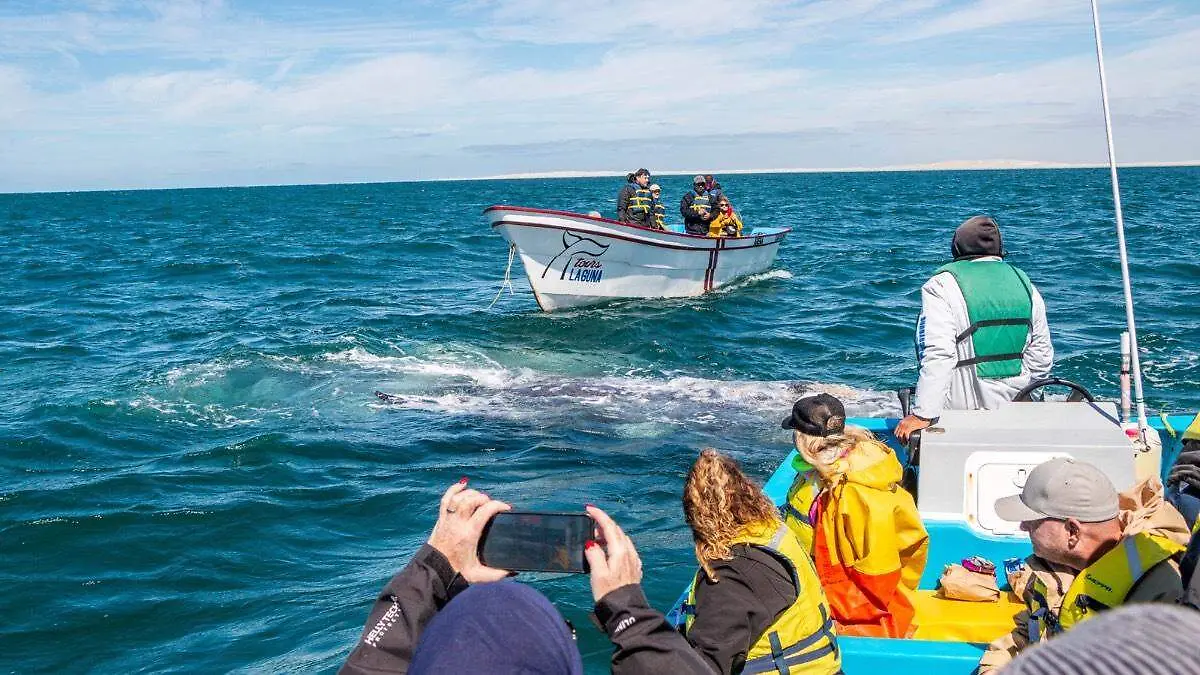
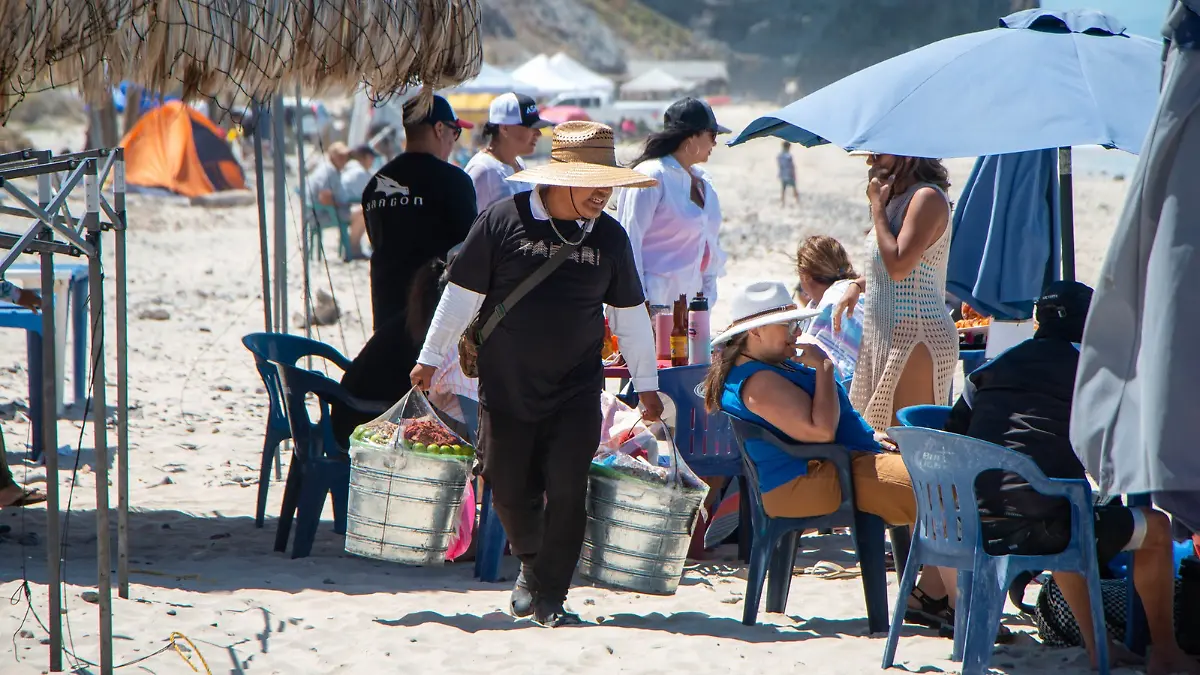
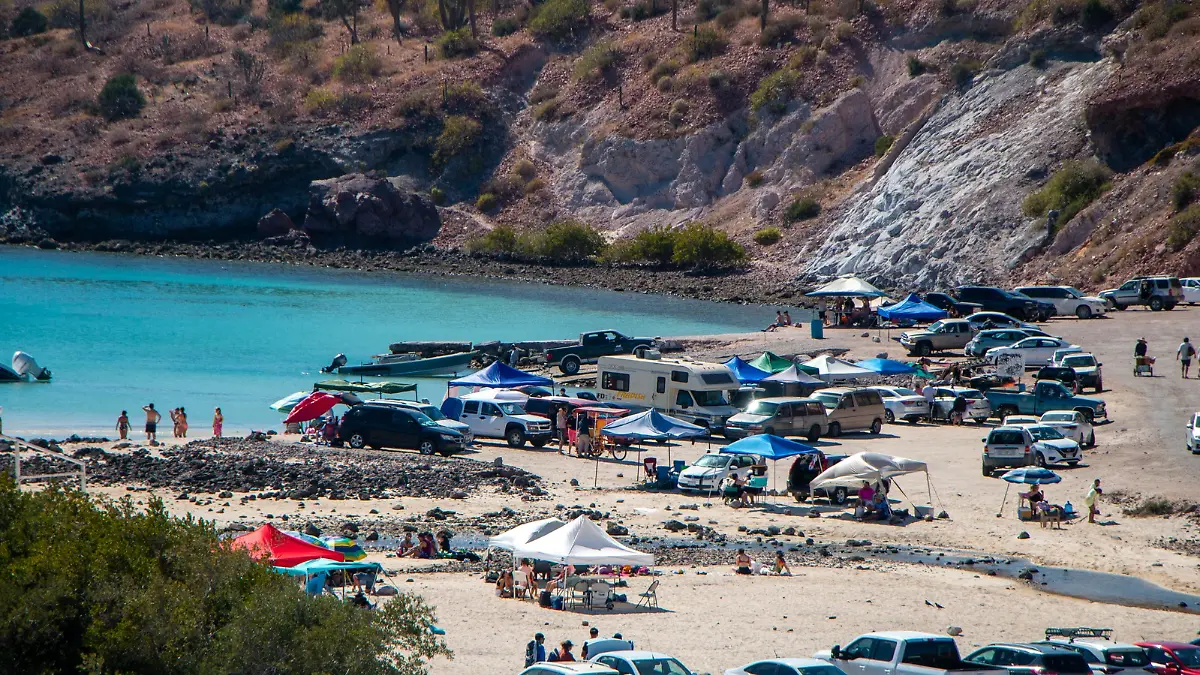
La Paz, Baja California Sur — During each Easter holiday period, thousands of visitors flock to the beaches of Baja California Sur, particularly in the municipality of La Paz, where the proximity of various coastal resorts to the city positions them among the main recreational spaces for residents and tourists.
In recent years, tourist influx has shown variations. In 2025, the arrival of 137,500 visitors was recorded in the state during this period, while in 2024 there was an expectation of around 200,000 tourists.
In contrast, during 2020 —a year marked by health restrictions— no official records of beach attendance were generated during the Easter period due to the closure of these spaces.
Receive the most important news from Baja California Sur through our newsletter!
However, at the state level, tourism activity is estimated to have decreased by 50 percent compared to 2019, when around 328,000 visitors were reported during that holiday period.
The high concentration of people in these areas also translates into an increase in the generation of solid waste and greater pressure on coastal ecosystems, a situation reflected both in the accumulation of trash and in temporary variations in water quality.
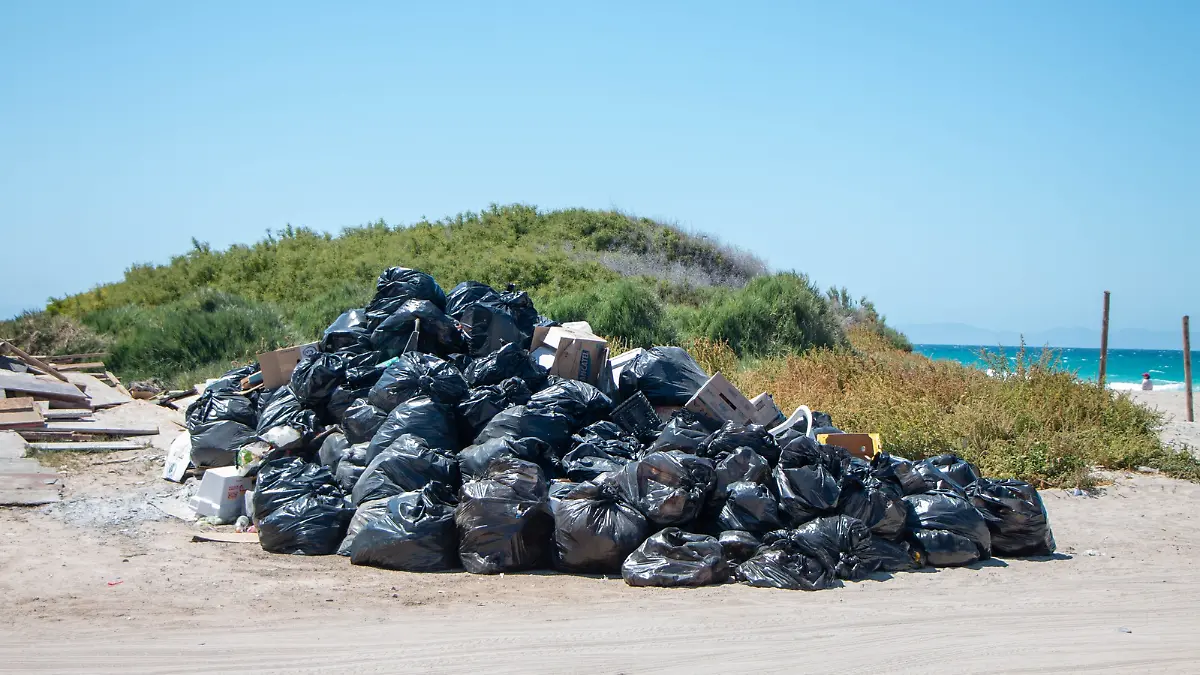
According to estimates from municipal authorities, during the days of highest tourist influx, around 38 tons of waste are generated on beaches in the municipality, a volume recorded in 2025 and typically concentrated on the main days of the holiday period.
This figure contrasts with previous years. In 2024, approximately 20 tons of garbage were collected on beaches, while in 2023 the figure was 29.5 tons, showing variations in waste generation associated with visitor influx and consumption dynamics during the season.
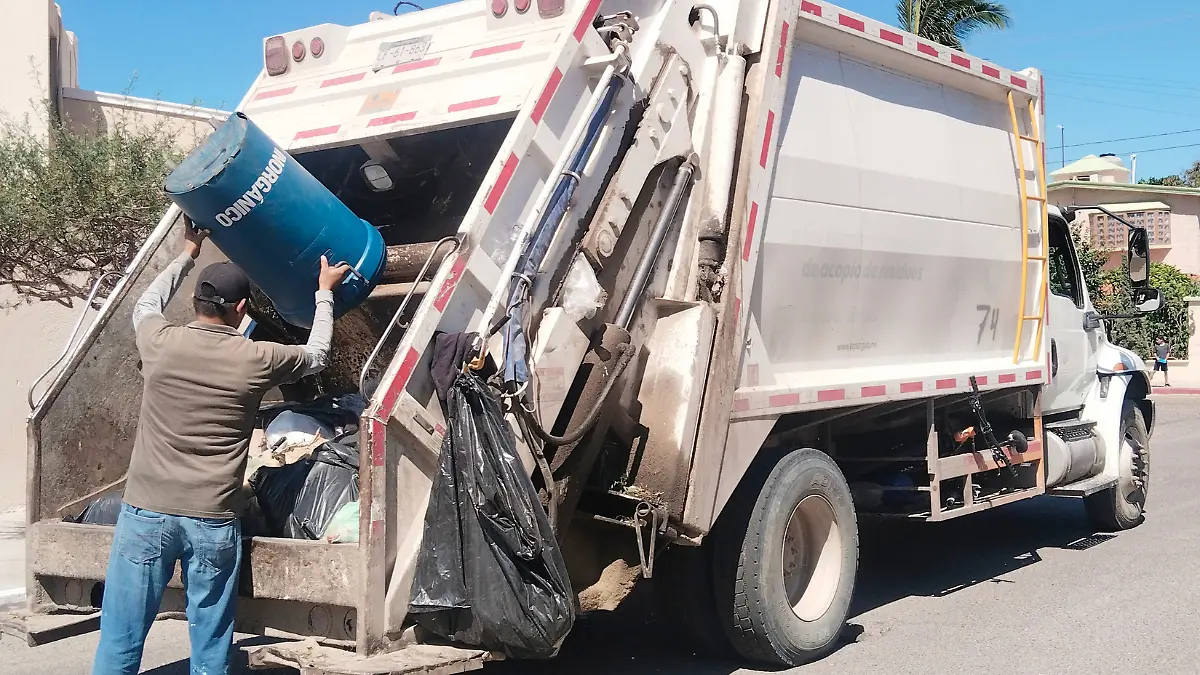
To put the volume of waste into perspective, the 38 tons collected in 2025 are approximately equivalent to the weight of 32 compact vehicles, considering that a car of this type weighs on average 1.2 tons. In this scenario, the La Paz city government implements special operations each year for waste collection and management at the main beach points.
Daniel Cabral Ramírez, head of the Directorate of Sustainability and Waste Management, explained that as part of the response strategy during the holiday period, infrastructure for waste handling is reinforced at key coastal points, in addition to deploying collection brigades to address the increase in visitors.
“The beach operation begins with the installation of containers at the main beaches in the municipality; they are also placed in areas such as El Sargento, El Saltito, El Tecolote, and from El Sonorense to El Comitán. In addition, we leave a special crew for daily collection starting from the beginning of Easter,” he stated.
The official added that the strategy also includes implementing programs for the separation of recyclable waste. “In previous years we have installed a Ruta Cero team for recyclable waste and we will likely repeat it this year. What we seek is to generate less waste during these days,” he indicated.
Environmental organizations that conduct monitoring and waste audits on beaches have identified patterns regarding the debris most frequently found in the sand.
Miguel Rivas Soto, project director of the environmental organization Ponguinguiola, noted that a significant portion of the waste found during cleanup efforts corresponds to fragments of objects that have already undergone degradation processes.
“When beach cleanups are studied, what we find are waste items or fragments of waste. Many times they are already small pieces that have gone through a fragmentation process,” he explained. According to audit records, the most common waste includes cigarette butts, plastic items, bottle caps, glass containers, and cans.
The specialist indicated that cigarette butts represent one of the most frequent and persistent pollutants in coastal ecosystems. “It is estimated that a single cigarette butt can contaminate between 30 and 50 liters of water. In addition, they contain tar and other toxic compounds, and the filter is made of synthetic plastic that takes years to degrade,” he detailed.
One of the main risks associated with the accumulation of waste in coastal areas is the transformation of plastic debris into smaller particles known as microplastics. These fragments are generated by the action of sunlight, wind, and wave movement, factors that over time degrade plastic objects into particles smaller than five millimeters.
According to specialists, these particles can enter the marine food chain when ingested by different organisms. “Plastics fragment due to ultraviolet radiation, wind, and waves. This generates microplastics and nanoplastics that can be ingested by marine organisms,” explained Rivas Soto.
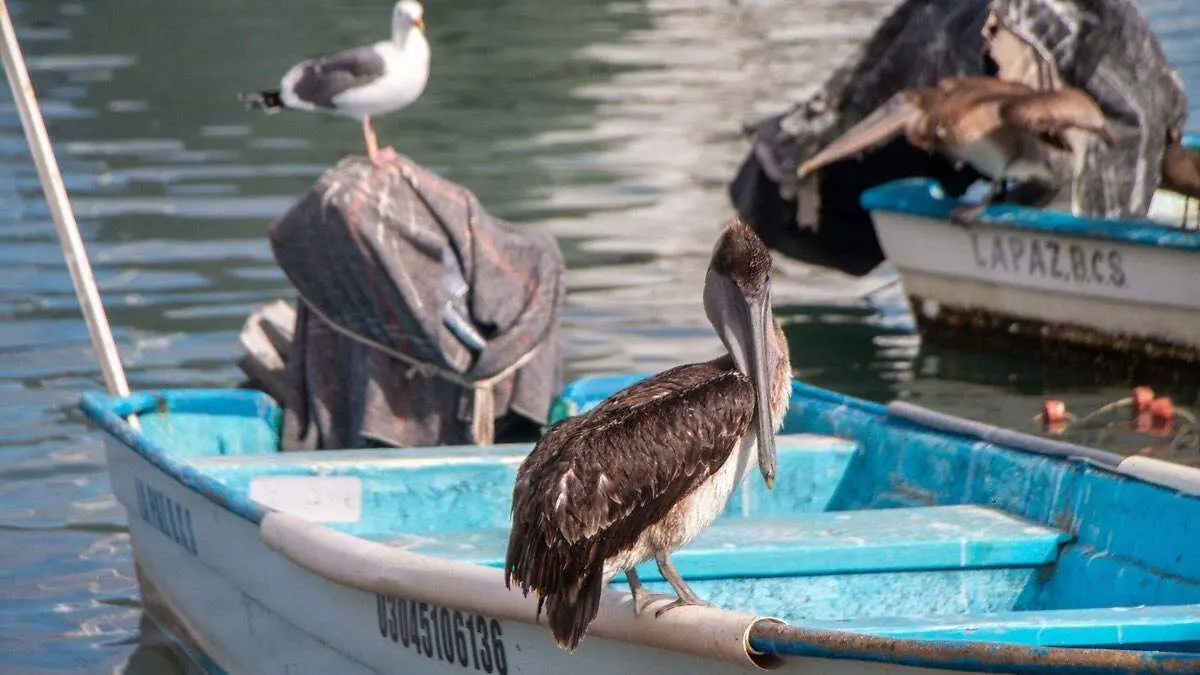
The researcher added that various studies have documented the presence of plastics in the digestive systems of marine fauna. “It is estimated that around 90 percent of seabirds in the world have ingested plastic at some point,” he stated.
Once ingested, these particles can remain in marine organisms and move along the food chain.
Although awareness campaigns about beach pollution have increased in recent years, specialists point out that the rise in disposable product consumption continues to be a key factor in waste generation.
Rivas Soto explained that, although there is greater public awareness of the problem, the growing availability of short-lived products and packaging keeps the environmental challenge ongoing. The specialist emphasized that the solution does not depend solely on cleanup efforts.
“The best beach is not the one that is cleaned the most, but the one that is dirtied the least.”

In addition to visible waste, tourist pressure can also be reflected in changes in the microbiological quality of seawater. Among the indicators used to measure beach contamination are enterococci, bacteria that naturally live in the intestinal tract of humans and warm-blooded animals.
Their presence in seawater is used as an indicator of fecal contamination or contact with wastewater. Health authorities consider concentrations above 200 enterococci per 100 milliliters of water to represent a health risk, according to the Mexican Official Standard NOM-210-SSA1-2014 for recreational use.
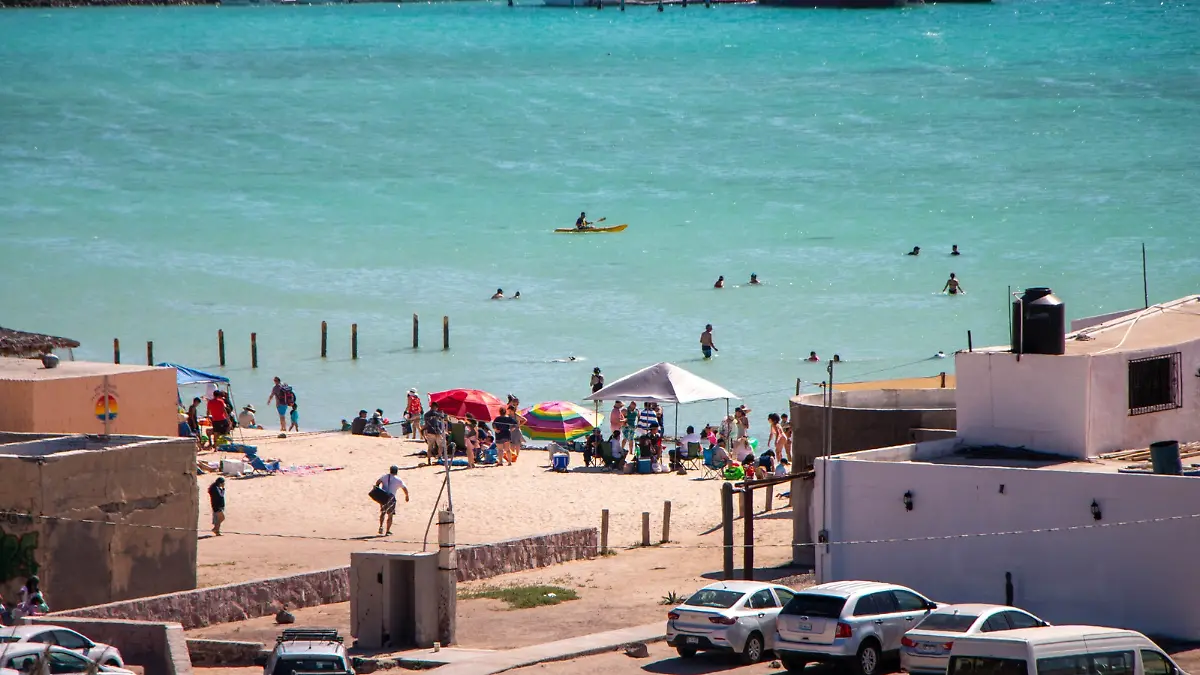
Both the World Health Organization and the Ministry of Health warn that levels above this threshold can cause various health issues. These include gastrointestinal illnesses, ear infections, skin and eye irritations, as well as urinary or respiratory infections.
Due to their resistance to salinity and adverse environmental conditions, enterococci are used as an indicator to evaluate water quality in recreational beaches.
In Baja California Sur, the Citizen Observation Network (ROC) conducts periodic monitoring of these indicators on different beaches in the state. Alberto Guillén Guadarrama, operational director of the organization, stated that in the first samplings of the year, beaches have remained within permitted parameters.
“So far, we have not detected beaches outside the standard. This is a season in which beaches are usually suitable, since there are no rains or spills; unless there is a constant discharge,” he explained.
However, he noted that in previous years variations have been observed in some beaches, mainly those with higher visitor influx or where sanitary facilities are nearby. “In past years, one or another beach has shown issues, especially the most visited ones or those with septic tanks. We cannot ensure it without specific studies, but it is a factor,” he said.
Guillén Guadarrama explained that in these cases, factors such as the concentration of people, sanitary infrastructure, and natural conditions can influence water quality. “The number of people on beaches always implies the possibility of contamination in different ways, but there are also natural processes that help recovery,” he stated.
According to the specialist, in La Paz Bay, tidal exchange favors the dispersion of contaminants in relatively short periods. “If it is a punctual contamination, it can be washed away in two or three days. We suggest waiting 72 hours before sampling again, and normally, if there is no constant discharge, the water returns clean,” he explained.
He added that beaches with high attendance such as El Tecolote or El Tesoro have shown variations in some monitoring, although sporadically. Finally, he called for strengthening citizen participation and environmental vigilance in coastal areas. “The more eyes and voices we have watching our coasts, the faster we can correct problems and ensure a healthy sea,” he said.
Specialists and health authorities continue monitoring these indicators, particularly during high tourist seasons when human pressure on coastal ecosystems increases.
Given the scenario of waste generation on beaches, various civil organizations and environmental groups have promoted cleanup and environmental education activities in different parts of the state.
One such action was the statewide beach cleanup carried out on March 22, in which different locations in Baja California Sur joined a national strategy aimed at collecting waste in coastal areas.
In the municipality of La Paz, several beaches were part of these activities through the participation of citizen groups and environmental organizations. The organization Ponguinguiola carried out a cleanup at El Caimancito beach, where volunteers gathered from early hours of the day to remove accumulated waste along the shoreline.
Rivas Soto explained that these initiatives aim not only to remove waste from the coast but also to raise awareness about the impact of consumption and improper waste disposal. “The idea is that those who participate in these activities understand the impact that waste has on nature and join in changing consumption habits,” he said.
Subscribe here to the digital edition of El Sudcaliforniano
Although these campaigns help remove visible waste from the coast, specialists agree that the environmental pressure faced by beaches during high tourist periods, such as Easter, presents broader challenges related to waste management, environmental culture, and the sustainability of tourism in coastal ecosystems.